

From folklore to foraging – the hidden wonders of Britain’s living boundaries.
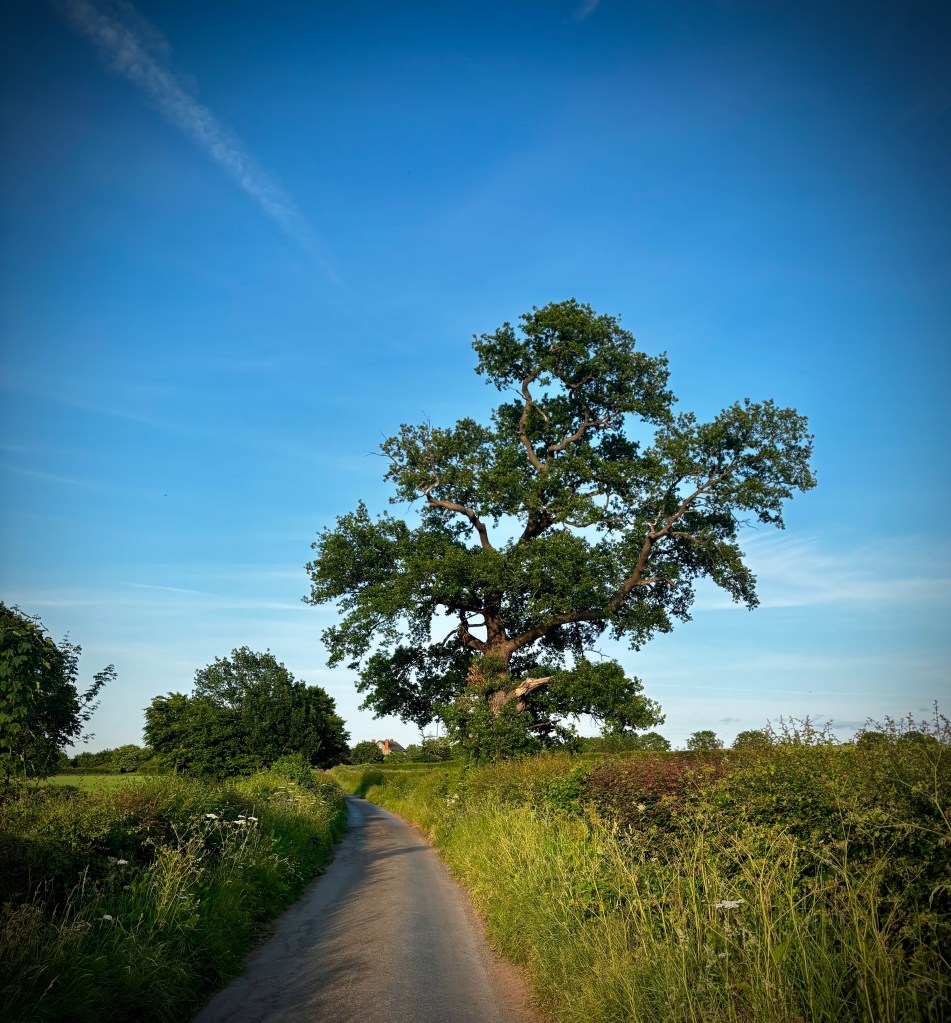
Often overlooked and sometimes taken for granted, Britain’s hedgerows are among the oldest features of our rural landscape – living relics that have bordered our fields since Neolithic times. They likely began as remnants – trees and shrubs left standing after Neolithic farmers cleared land for crops, forming natural and protective boundaries between neighbouring plots.
Evolving into dense thickets of vegetation of all manner of varieties, offering protection from wind and roaming stock, as well as property demarcation, hedges provided a whole ecosystem of life and valuable source of material and resources such as whips and berries, herbs, fruit and medication.
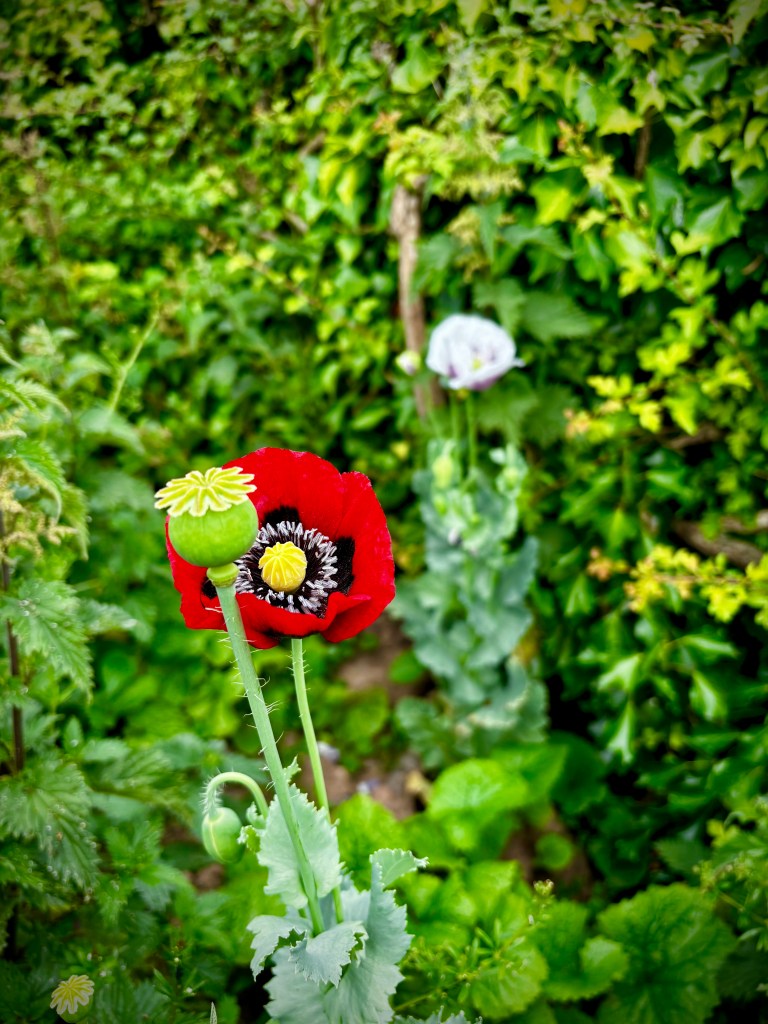
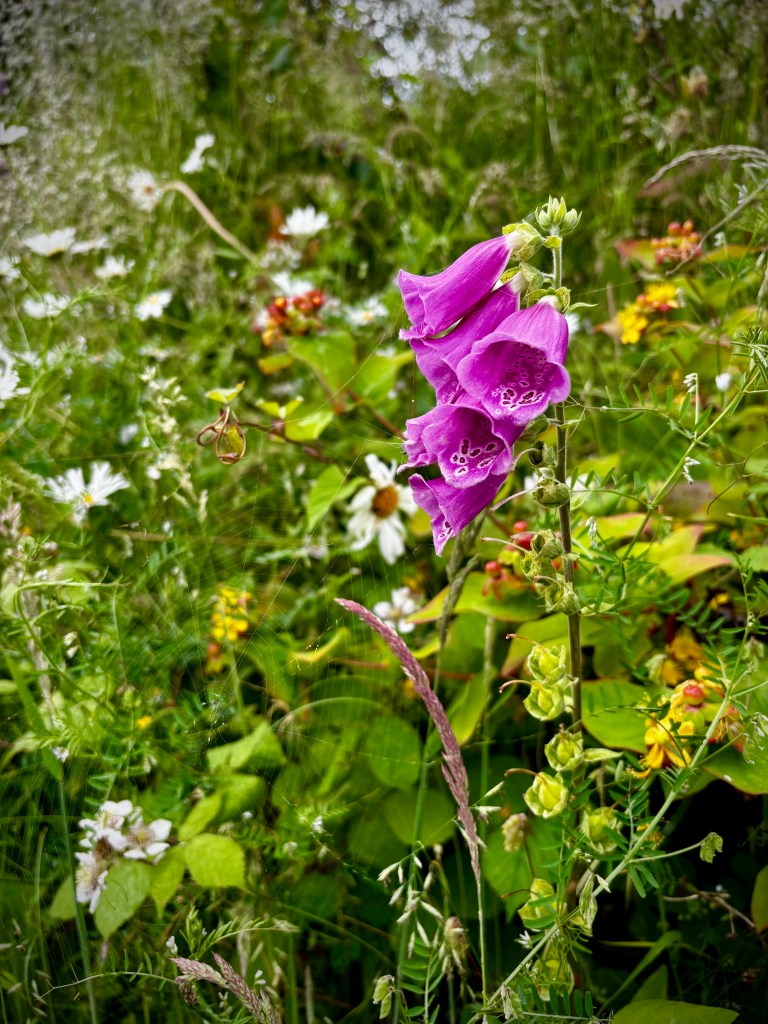
Currently, this island, this “foggy Albion”, is a lattice-like network of hedgerows, creating a patchwork of fields of many colours. One can only imagine how it must have looked before the great hedge removal introduced by Clement Attlee’s government in 1947. This countrywide destruction continued until controls were introduced by John Major’s government in 1997. Hedges are now being, increasingly, appreciated for their ecological and environmental importance.

Hedgerows are not just animal and vegetable – they’ve also contributed to the mythical fabric of British history. In British folklore, hedges are a gateway from good to bad, safe to wild, and a boundary separating the civilised from the uncivilised. Nature’s motorway or highways for hags – the word hag is believed to have derived from the old English for hedge, and hags, or witches, were reputed to have been able to traverse between the civilised and uncivilised worlds through hedges. Fairies were also said to frequent hedgerows and use them as a link between worlds. The May Tree, more commonly known these days as the hawthorn, traditionally played a big part in May Day celebrations, going back to pagan times. Maypoles used to be decorated with the branches and flowers of hawthorn, which were also used to make the May Queen’s crown, Fairy Queen’s crown and the Green Man’s wreath.
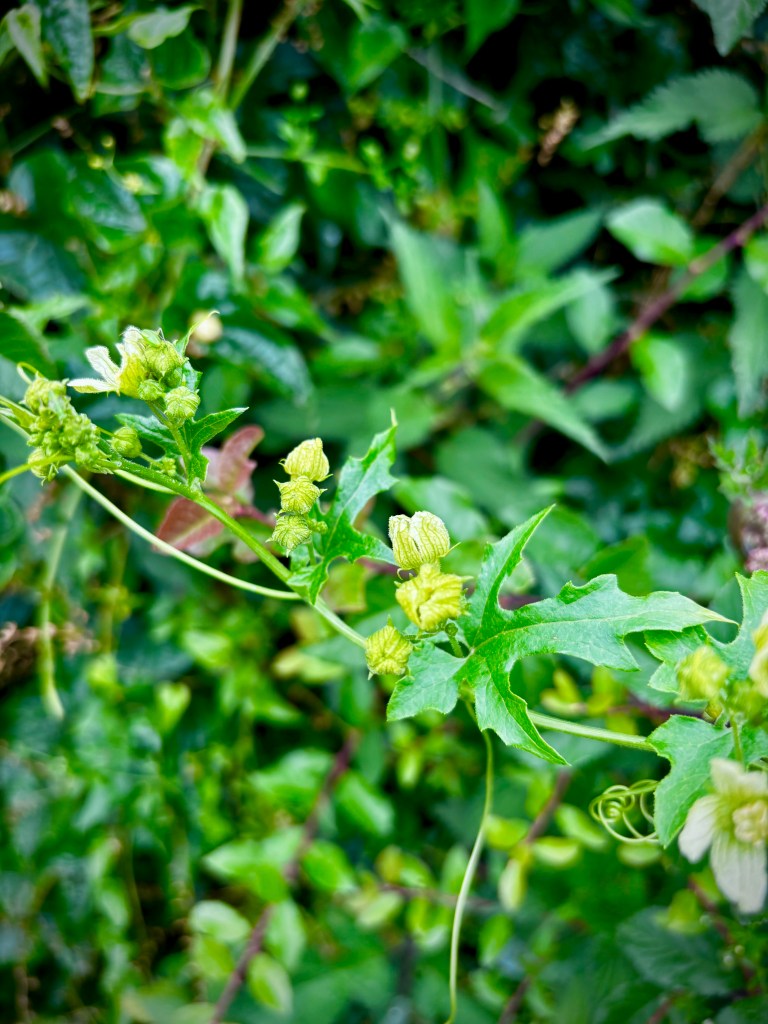
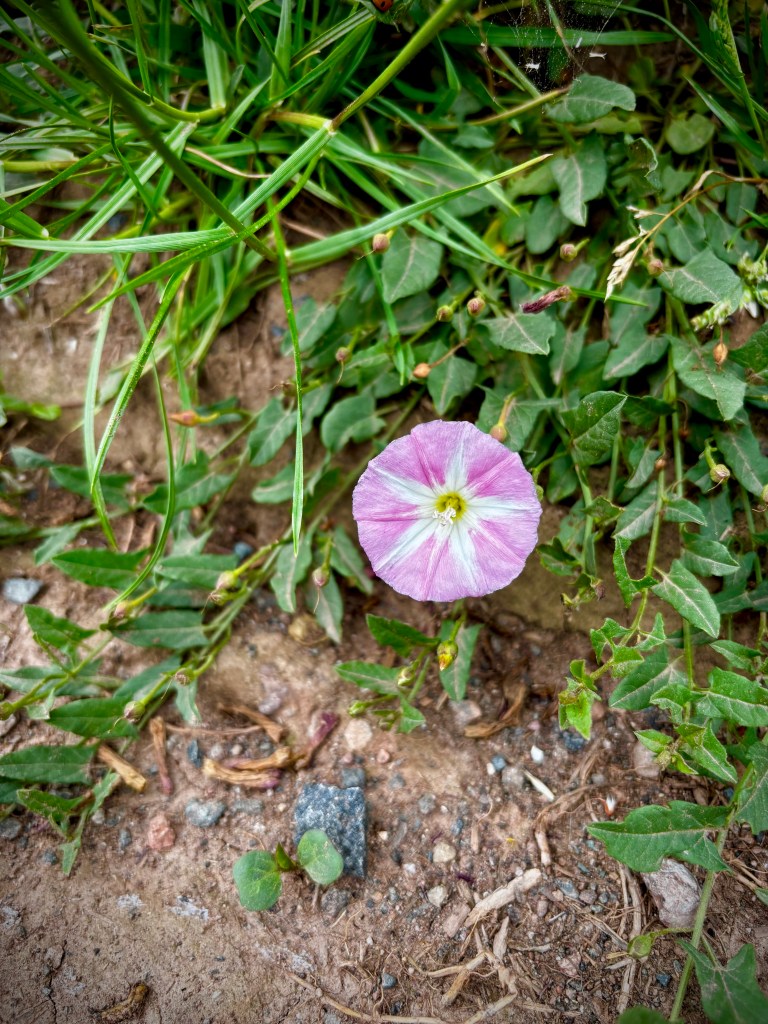
Land’s End to John o’ Groats is perhaps the greatest hiking challenge in the UK, at a shade under 1,000 miles. Nothing by comparison to the length of our hedgerows though, which stretch for an estimated 700,000 km (approx 435,000 miles). That’s about 17 times around the earth at the equator, or to the moon and almost back again. Most are in England, with the biggest concentration in the south-west, especially Cornwall. Shockingly, it’s estimated we’ve lost up to 50% of our hedgerows since the late unpleasantness of WW2 and the desperation for improved food production that followed.
As a child, I learnt to appreciate hedgerows and had a fascination for these life-filled, almost parallel worlds, snaking through our own. Day or night there’s always something going on. If “there’s a bustle in your hedgerow,” it might well be a “spring-clean for the May queen”*, or could be one of the dozens of creatures that still use hedgerows for safe transit and for foraging and hunting. Night walks are best to hear the rummaging from within. In the evening, the buzz and hum of insects and birdsong is replaced by the rummage of rodents, and rustling and shuffling of badgers and deer, or the startled scampering of rabbits as you approach them.


Growing up in the seventies and eighties, foragers and their wicker baskets were a regular sight during the summer, gathering blackberries from the hedgerows – completely free. I can’t remember the last time I saw anyone doing this. The berries never left, but these days most people forage in the aisles of supermarkets, where these same blackberries can be purchased in neat plastic boxes, often flown in from beyond these shores. It’s the same with elder, crab apples, sloes, and hazelnuts; all still in abundance in our hedgerows. I still take blackberries and crab apples from the hedges on my little piece of land – easily transformed into a delicious blackberry and apple pie. I’ve yet to beat the local squirrel fraternity to the hazelnuts though – those guys really do know a thing or two about nut foraging.
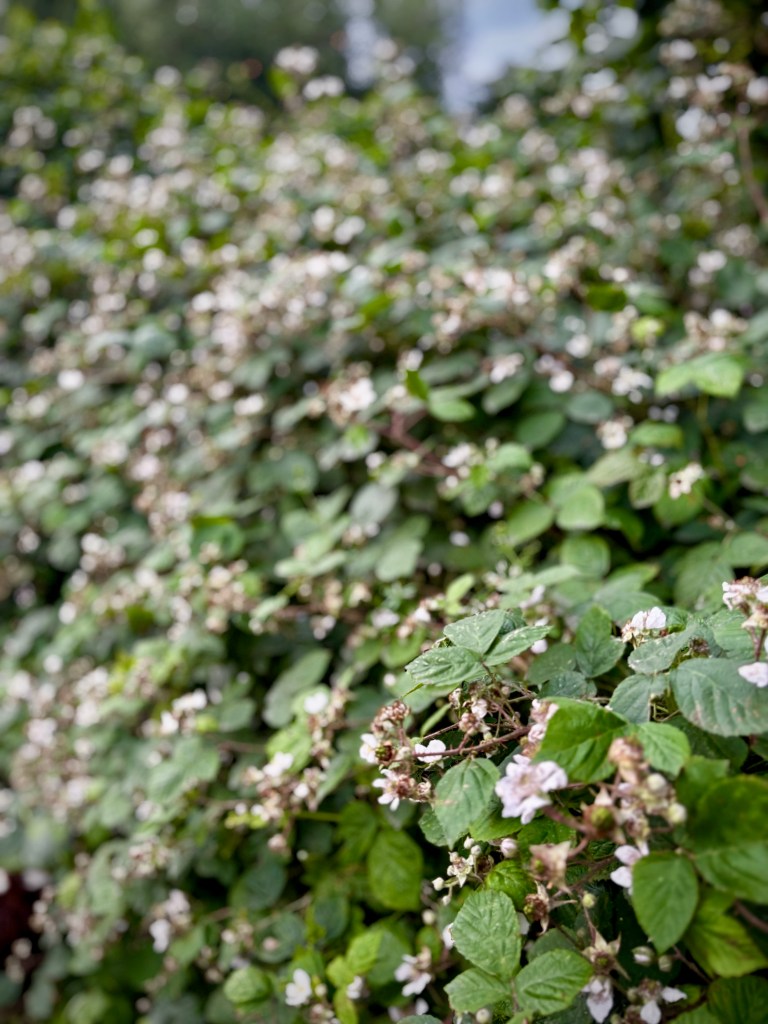
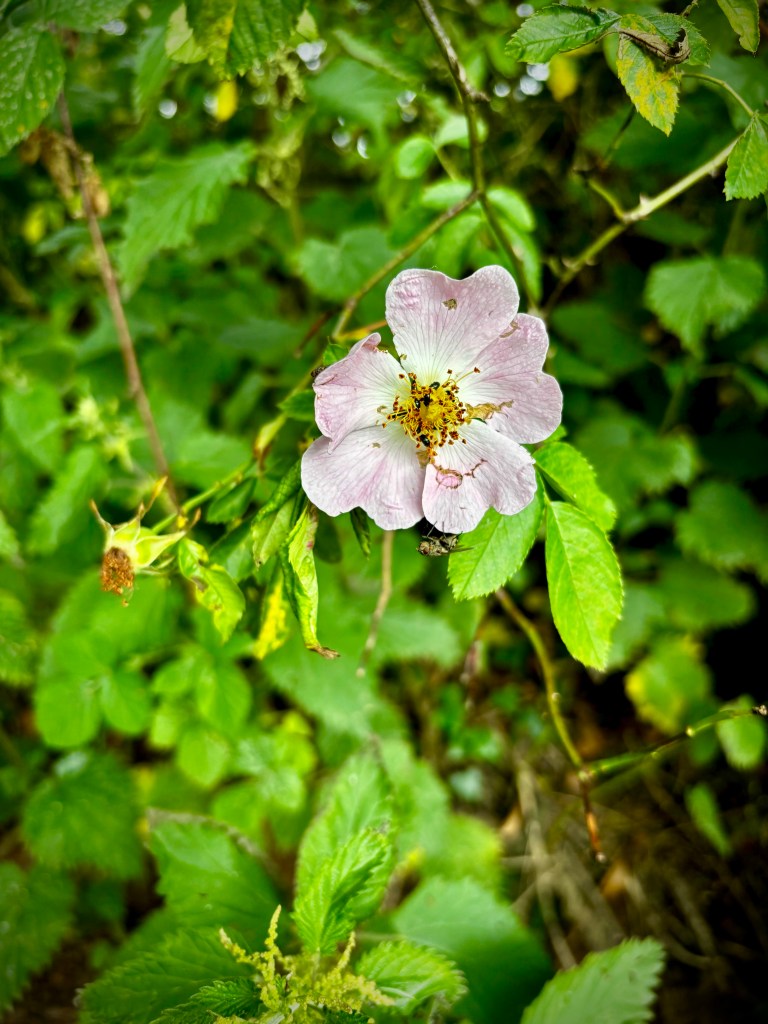
Walk along any hedgerow on a nice day, and you’re sure to hear the buzz and hum of bees and other pollinators, the graceful comings and goings of butterflies, and, depending on location, damselflies and dragonflies. Birds nest within the thicker, more dense parts of the hedgerows, which provide greater protection, and their delightful chirruping and singing provide a pleasant accompaniment to the other sections of nature’s orchestra – Blackbirds, Robins, and Chaffinches to name just a few of the birds you’re likely to find playing taking up residence among the hedgerow ecosystem.
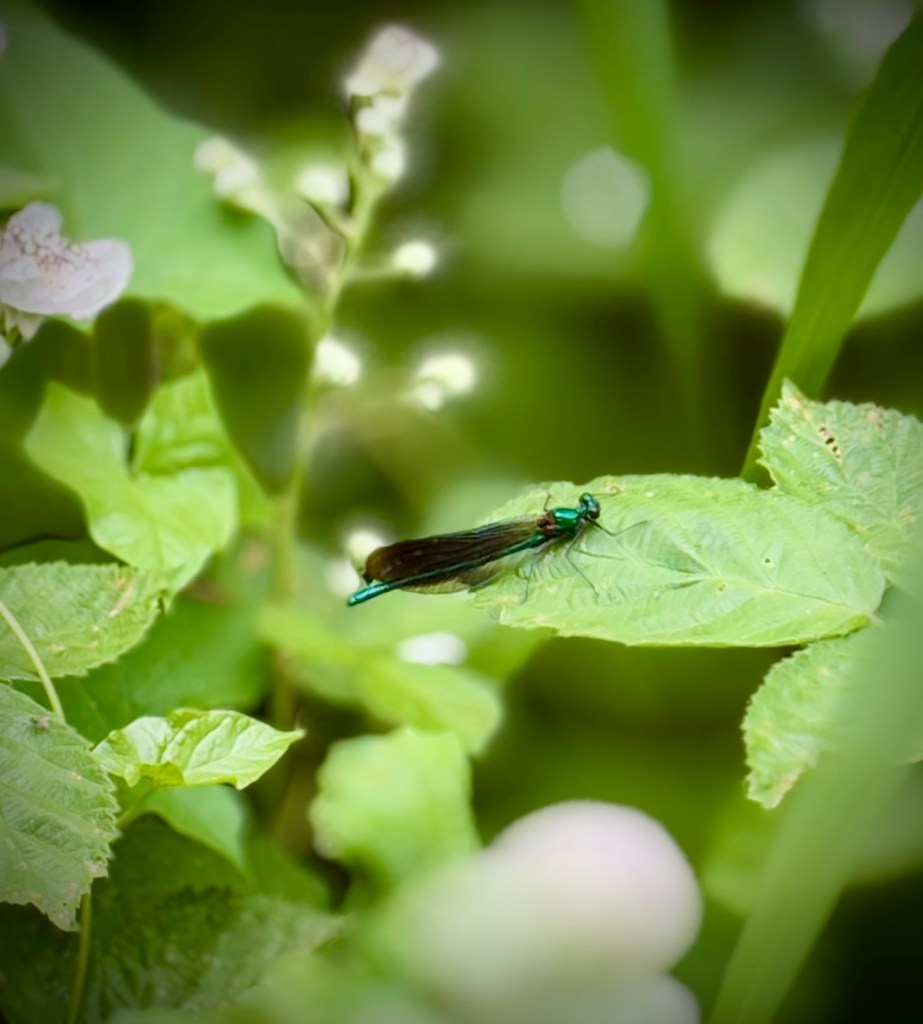
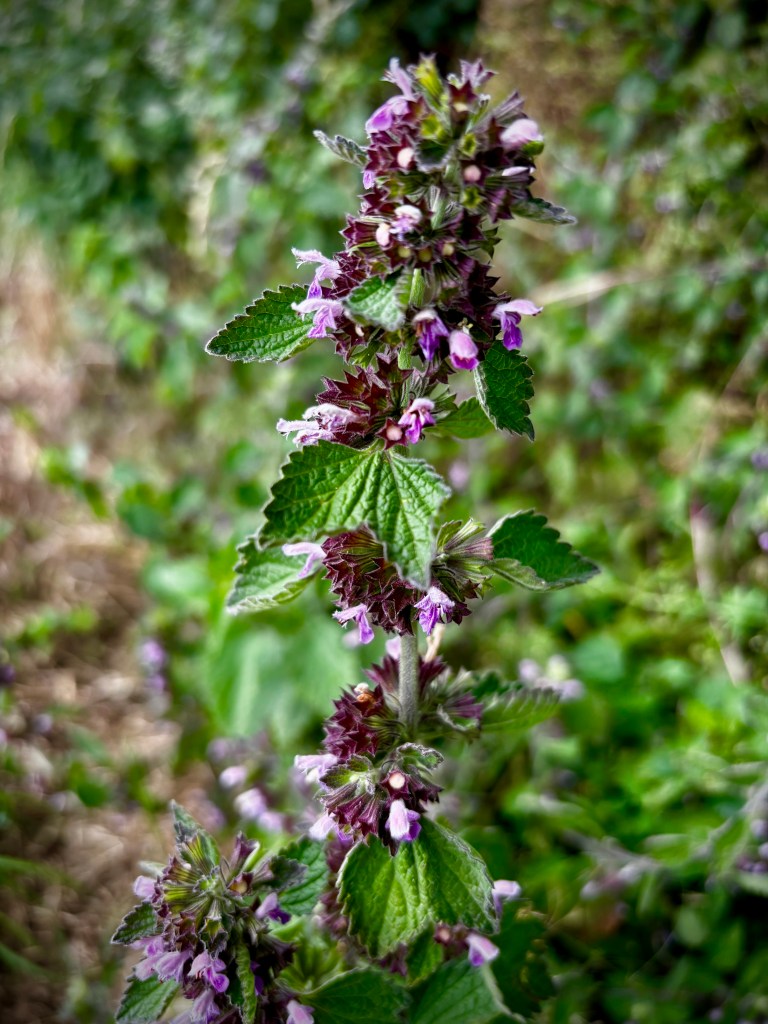
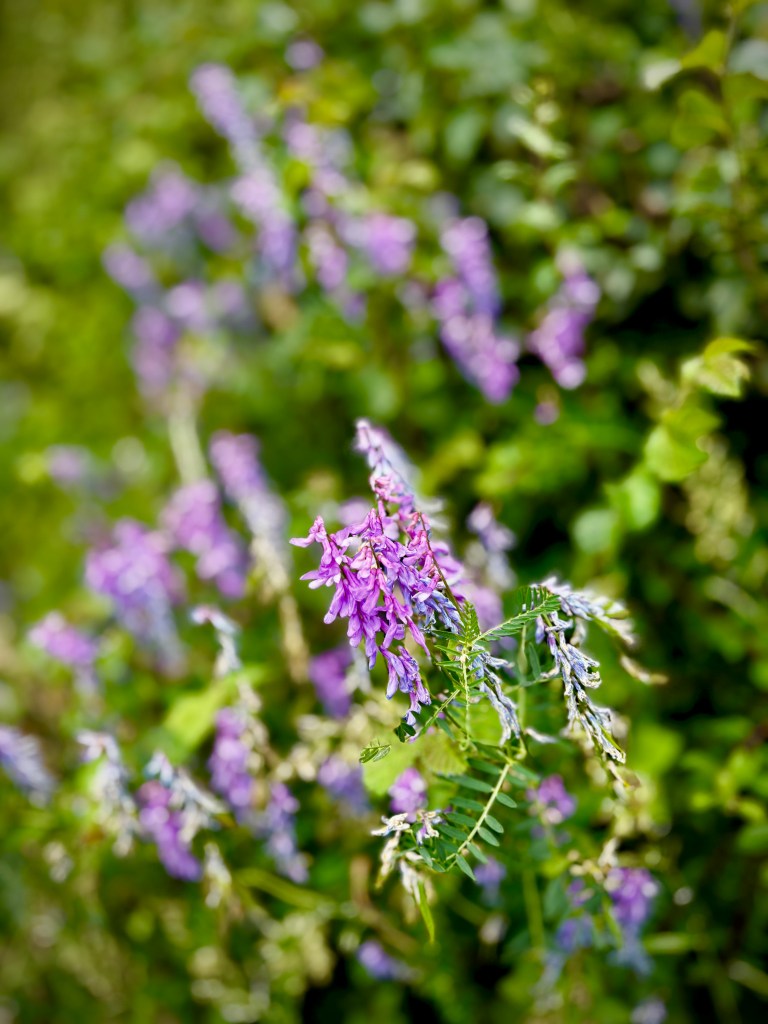
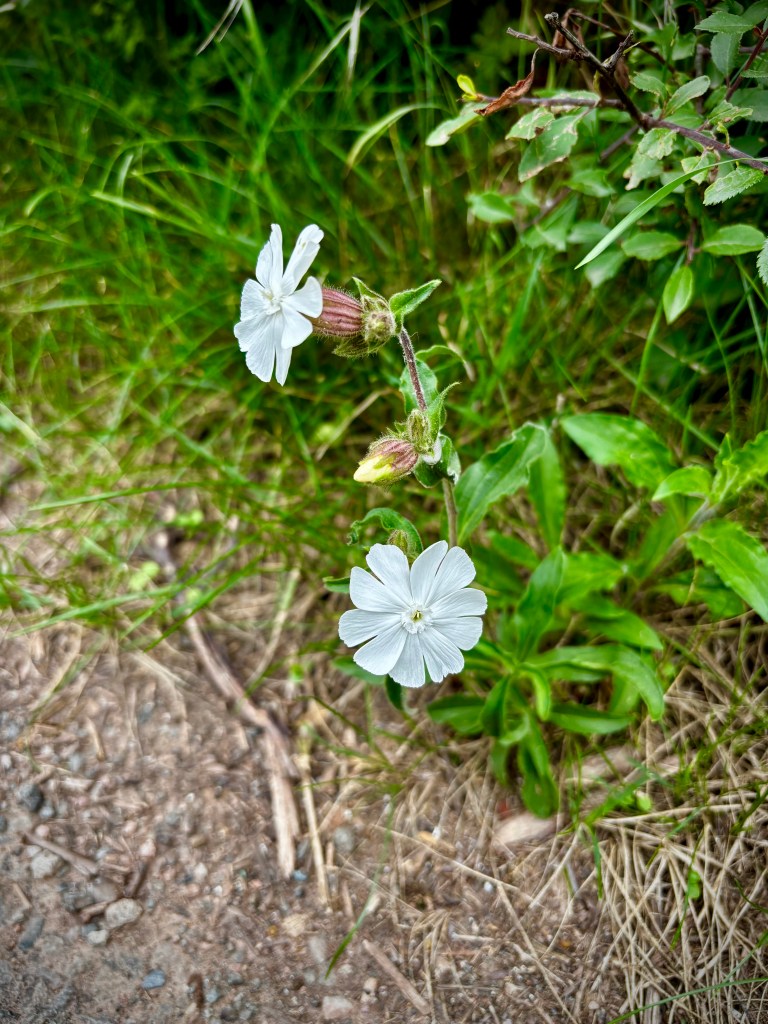
The hierarchy of hedge height often means you will find trees that have managed to grow high above the lower line of the hedge; oak, ash, and lime towering over those of more limited stature. Main hedge structure of hawthorn, blackthorn, hazel, holly or field maple is common, often a combination of all those, along with dog rose, elm, elder and ivy. Then the smaller, in terms of height, contributions from bramble, cow parsley, a plethora of grasses and various shrubs and wild flowers make up the rich visual tapestry of colours and textures.
The scent of hedgerows can be as diverse and enticing as the visual appearance. From the sweet, honey perfume-like scent of lime trees to the gentle delicate aroma of dog rose to the divisive offerings of hawthorn blossom and the more delicate fragrance of elderflower and blackberry blossom.
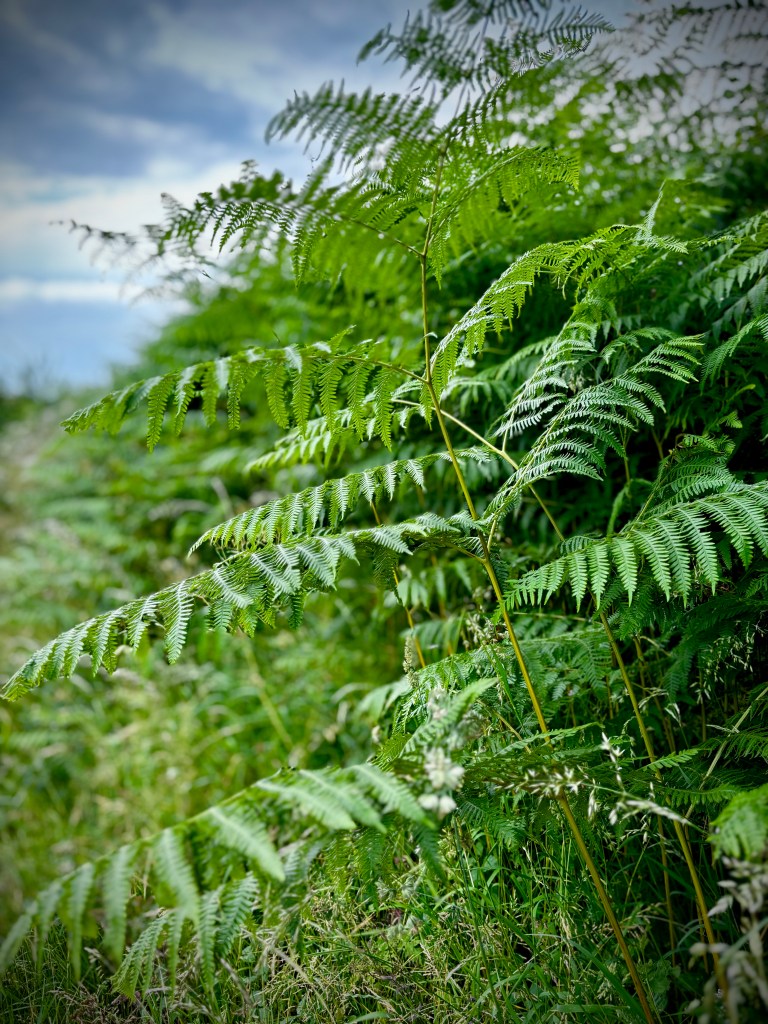

Walking the hedgerows daily with my dog, she noses through the undergrowth as if the world’s secrets are written in scent. And maybe they are. Ancient, magical, and utterly alive – hedgerows are so much more than just green boundaries. These living relics breathe history and biodiversity into every mile they cover. In a world that moves fast and forgets easily, perhaps they’re a reminder for us to slow down. To look. To reflect and remember.
_____
If you like what you’ve read, share it, tell a friend, or leave a comment. Thanks.
* From Led Zeppelin’s Stairway to Heaven
 Notes from Foggy Albion: A Journey Through Nature & Plant-Based Living In Britain
Leave a comment