

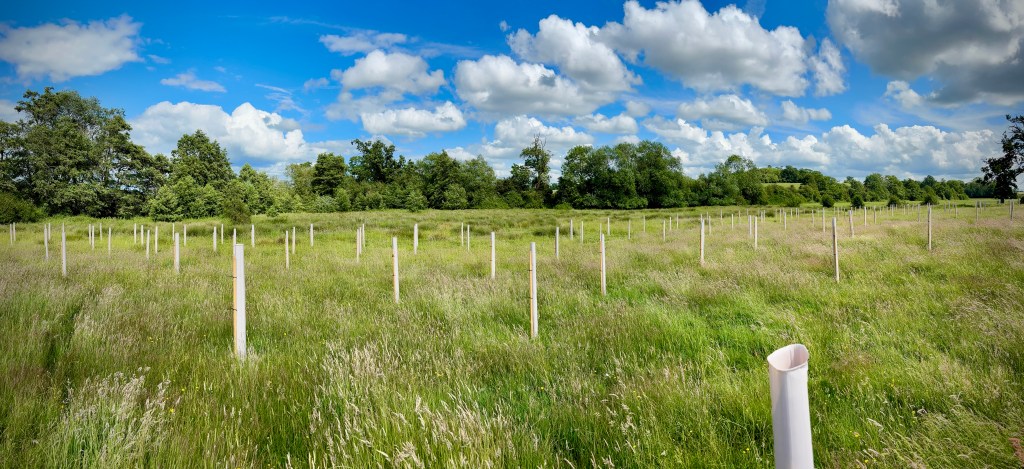
When I first decided to devote a bit of land to nature regeneration, I began by planting trees. I earmarked 12 acres in total, with 10.5 acres for trees and the remaining 1.5 acres for, well, something else. I imagined birdsong, shade, and slow-growing permanence. It was the start of something hopeful: a personal attempt at almost rewilding a small Worcestershire landscape, in my own quiet way.
Now, a few months in, the woodland is taking shape. Thousands of native trees planted – English oak, birch, alder, hazel, rowan, lime, hawthorn, crab apple to name a few – though they’re currently struggling with the weather, having just had the driest spring for over a century and summer looking like more of the same.
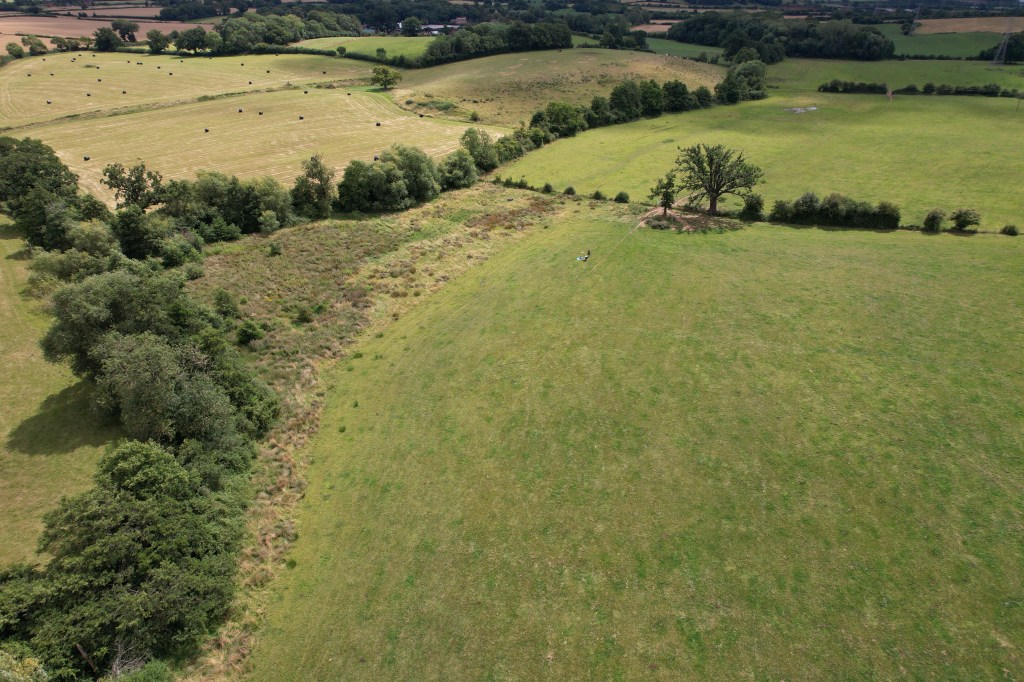
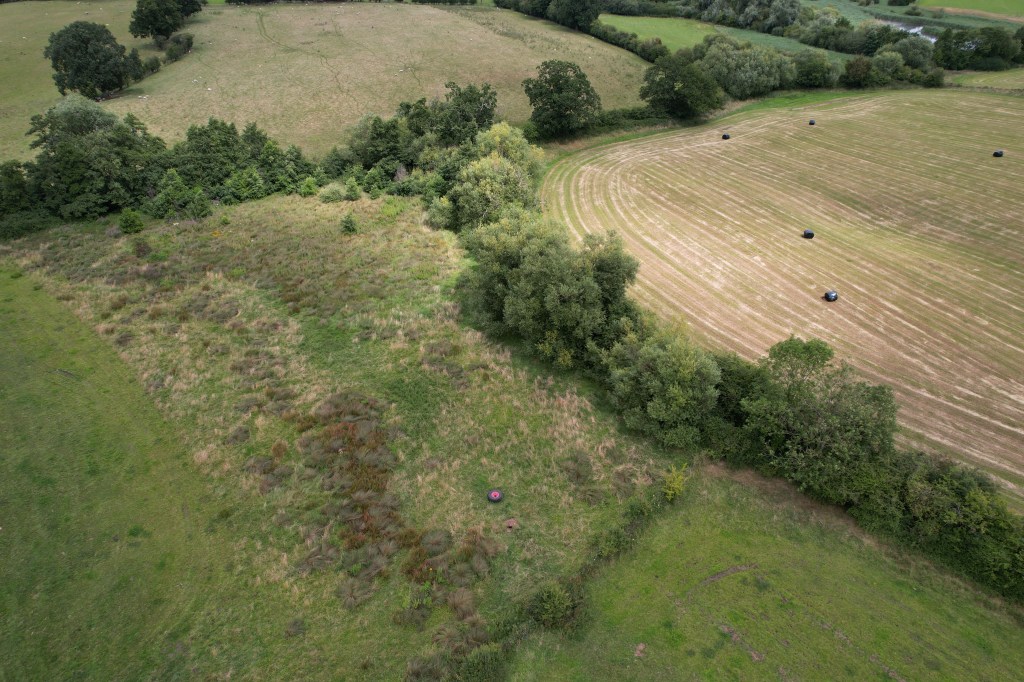
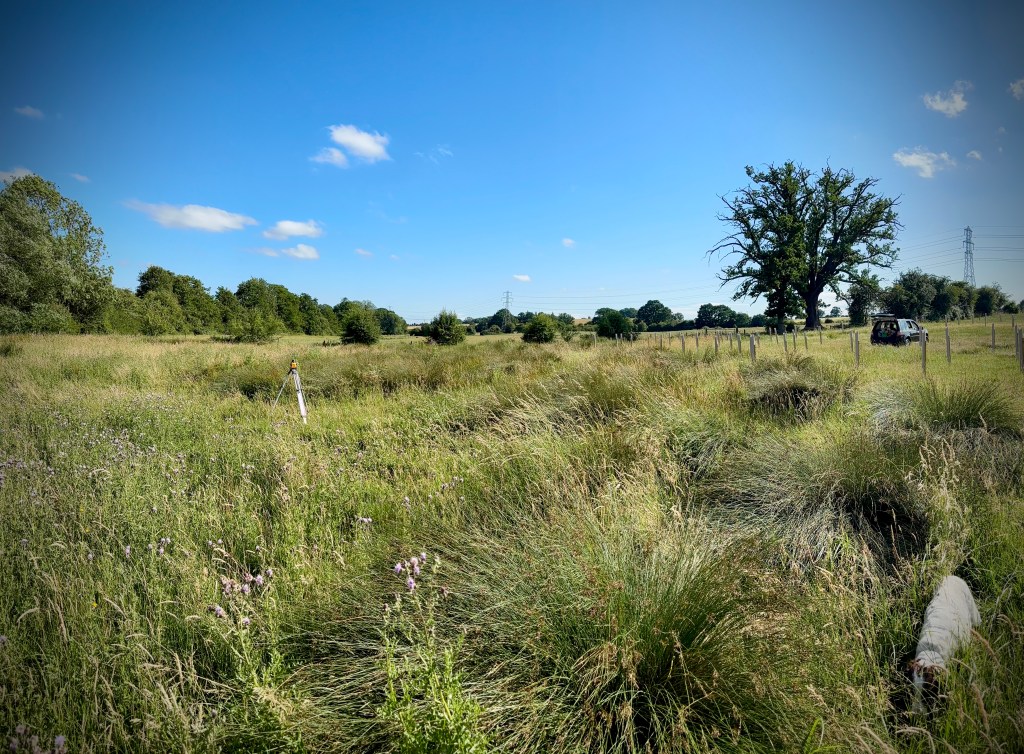
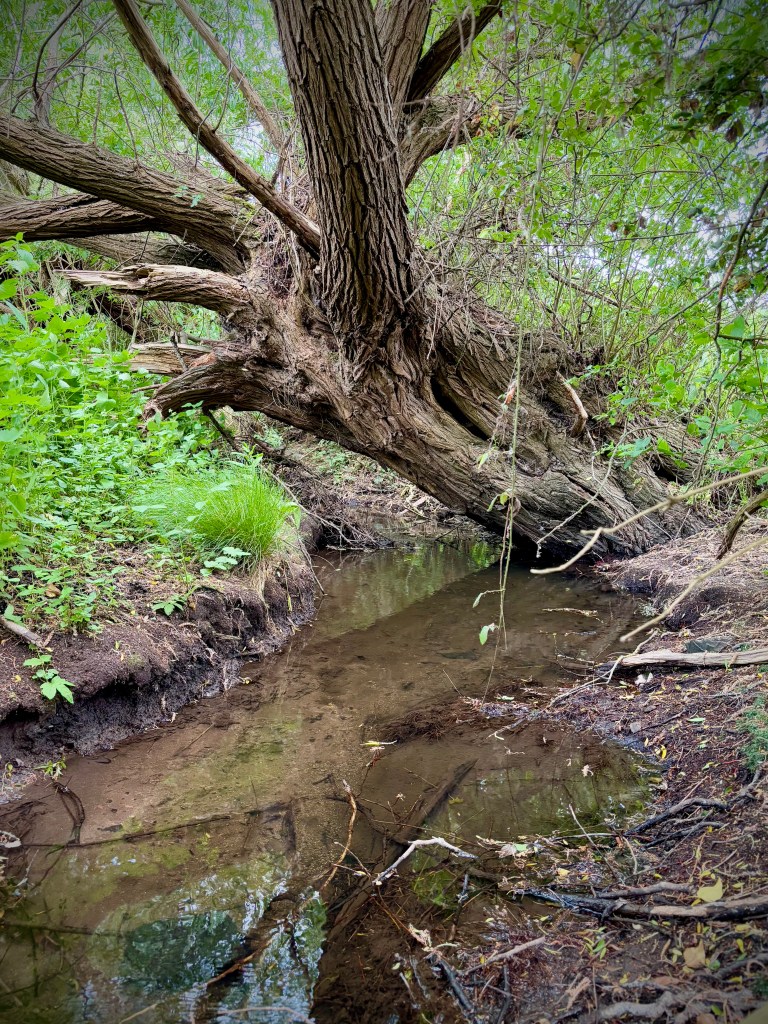
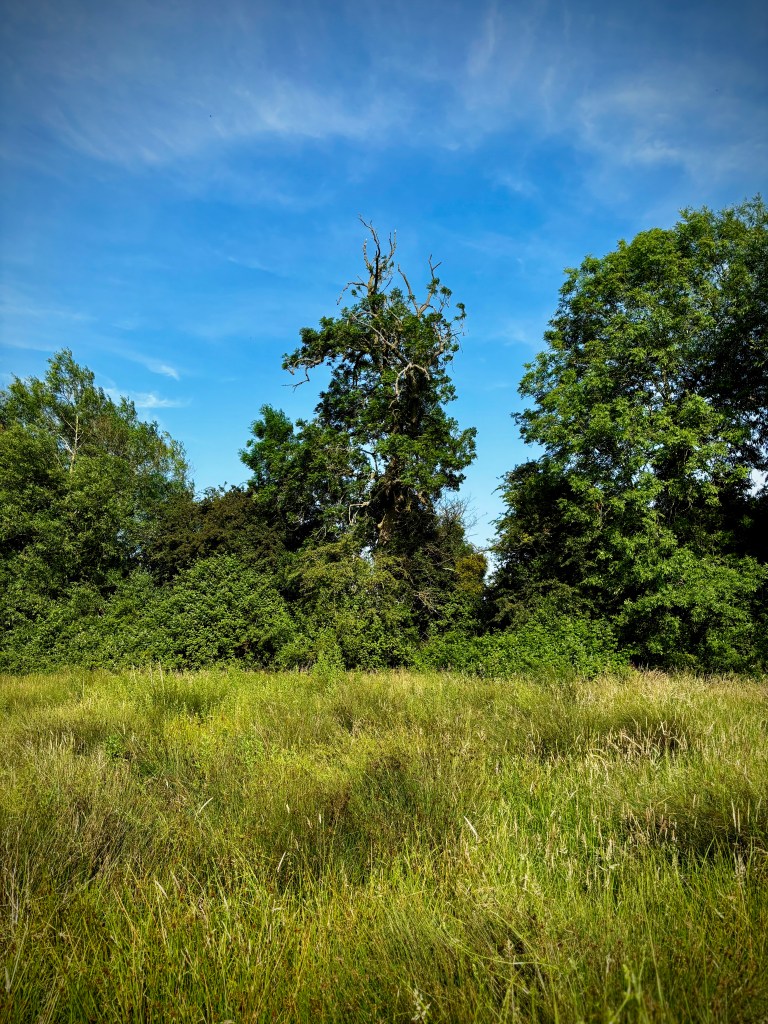
Next, the remaining 1.5 acres of the project. An area of low ground between the newly planted woodland and the brook. Traditionally damp and seasonally boggy, and with a piped spring and land drain beneath the ground, this seems the perfect location to create a new wetland habitat. I envision water, marsh, and a light-touch sculpting of this land, with nature taking over, and all beneath the gaze of my favourite old oak tree.
Why Create a Wetland next to a Woodland?
Planting thousands of trees and creating a new woodland alone can support incredible biodiversity, but the real magic happens where ecosystems meet. Wetlands and woodlands coming together create a transition zone where different habitats overlap. These can often be the richest areas for wildlife.
Key reasons for creating the wetland:
- Biodiversity: A wetland should attract amphibians, dragonflies, wading birds, other mammals, and plant species that wouldn’t thrive in the woodland alone.
- Water management: It slows runoff, absorbs rainfall, and helps prevent flooding further downstream.
- Climate resilience: Acts as a carbon store, and can create a microclimate buffer during very dry periods.
- Personal reward: Watching frogs and other amphibians populate the pool areas, birds and wading birds, bees and nature take back control. Adders might be a stretch too far in this part of Worcestershire, but grass snakes are possible and there have been sightings of Aesculapian snakes in nearby Oddingley. Ironically, the one creature in the world that I don’t like and that gives me the raging heebie-jeebies like no other, is the snake. Any snake. All snakes. Still, live and let live, I guess.
How I’m Hoping to Create it: Designing the Wetland
The site is naturally low-lying, with slow-draining marl below the topsoil – ideal for holding seasonal water. The land is littered with Bunter cobbles/pebbles, deposited during the Triassic period more than 200 million years ago.
My first thought was to create a deep, lake-like feature. Instead, I’m looking to:
- Create three small pools of varying depth, the largest with an island sanctuary for birds
- Create shallow scrapes and margins for muddy edges and seasonal wet grassland
- Create gentle slopes to allow wildlife access
- Create a permanent wet core, through deep areas, supported by springs even during dry years
The hills either side are like huge storage areas of water, consisting of glacial stone deposits. Or so I am told. There’s a piped spring under this area and above it a land drain. The latter rarely runs, possibly long since crushed by heavy modern machinery, but the spring has never run dry in living memory, even during the record-breaking dry summer of 2022, when temperatures in excess of 40c were recorded in the UK.
Progress to Date:
- Sought expert advice from ecologists and wildlife experts. I’ve had some input and a few conversations – always open to other opinions and advice.
- Surveyed the land to identify the true contours and taken levels, to establish a more accurate picture of the area’s topography.
- Dug a trial pit in one of the other low-lying areas further up the brook to test soil moisture during this dry period and validate my assumptions.
Woodland and Wetland Together: A Connected Habitat
My woodland is still young, but as the trees mature, I’m hoping their root systems and canopy will interact with the wetland edge, and together they will become part of the larger connected landscape.
On the other side of the woodland is a newly erected stock fence. I’m hoping to plant a new hedgerow along its length, creating a natural corridor between two existing hedgerows about half a kilometre apart and bordering the new woodland. The hedges at either end connect to the hedgerow and tree system that has bordered the brook for centuries.
I’m interested to see how various species will use these new habitats: birds nesting in trees but feeding on aquatic insects, amphibians using the cover of shrubs to move between water and woodland, and bees pollinating what will be a largely undisturbed and organic environment.
This isn’t a sealed-off project; it’s a connected system. One that, over time, should support a broader range of life than either habitat alone.
What’s Next? Suggestions?
I’ll keep documenting the project as it evolves. Over the coming months, I’ll post updates on:
- Its development and natural evolution
- Species sightings
- Water levels, and the seasonal changes in the area.
Once it starts to take shape I’m thinking of beehives, a program of wildflower planting to help move things along, low level camping or accommodation for nature watching, trying to encourage the pheasants that often come to the land to escape the guns of the local shoot (a controversial one given their non-native status), and, once the trees have really established themselves, maybe welcome the roe deer which naturally roam the land – but are currently unwelcome due to the saplings.
In the meantime, I’m open to suggestions and advice, if anyone has knowledge or experience of creating something similar. I believe this kind of project thrives on shared knowledge and experience. Please contact me or comment below. I’d love to hear from others on a similar journey.
From Foggy Albion, where the frogs are back and the trees are growing, thanks for reading.


 Notes from Foggy Albion: A Journey Through Nature & Plant-Based Living In Britain
Leave a comment