


Discover the Iron Age hill fort at Credenhill Park Wood in Herefordshire. A scenic, dog-friendly walk, rich in ancient history and natural beauty.
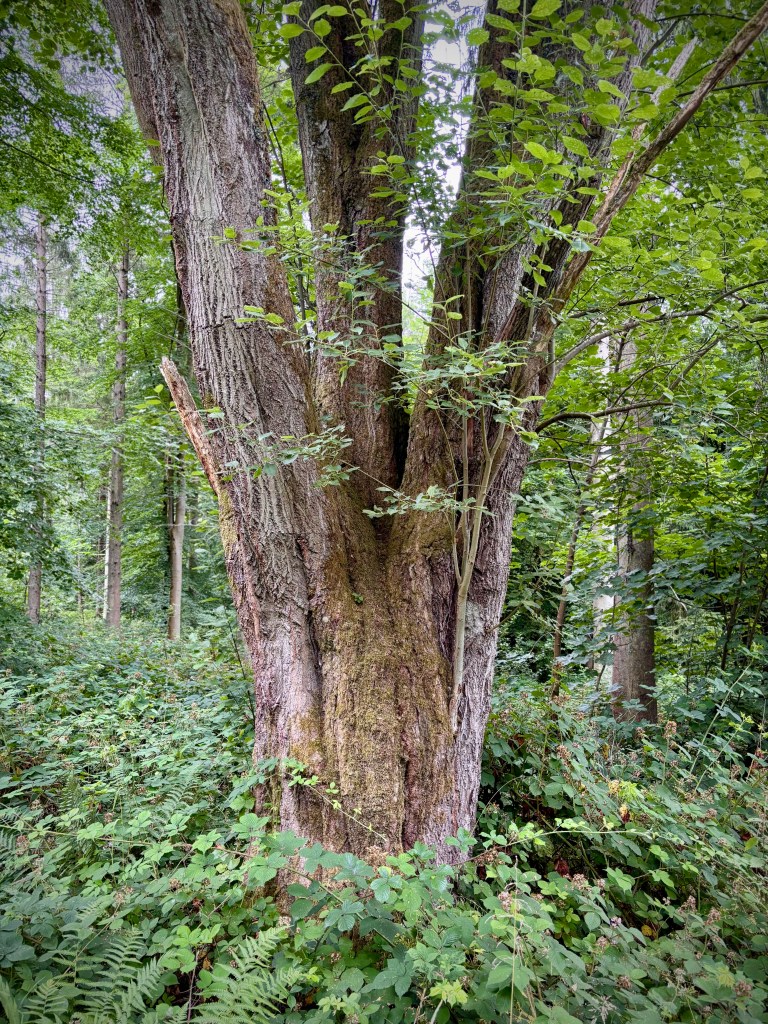
As I rise up the steep path – brambles and fern, elderberry and fireweed either side, tall trees beyond: oak, ash, fir and yew to name but a few – there’s a feeling of stepping back in time.
The Iron Age hill fort at Credenhill Park Wood is easy to miss. Just another hill bedecked in trees, nothing to see here, nothing remarkable. And yet thousands of years of history lies hidden, more secrets concealed than openly revealed.
The British Isles are quite literally littered with ancient hill forts – upwards of 4,000 and still counting. Whilst most were built during the Iron Age (800 BC to AD 43), there are many which stretch back in history to the Bronze Age (2,500 BC to 800 BC). Not far from where I live in Herefordshire is Credenhill Park Wood, home to the hill fort of the same name. Though Bronze Age pottery has been discovered at the site of the hill fort, it is assumed its heyday was about 300 BC, when it was populated by a British Iron Age tribe. These days, the site is owned and managed by the Woodland Trust, and is open with free access for all who care to make the trek upwards and into the past.
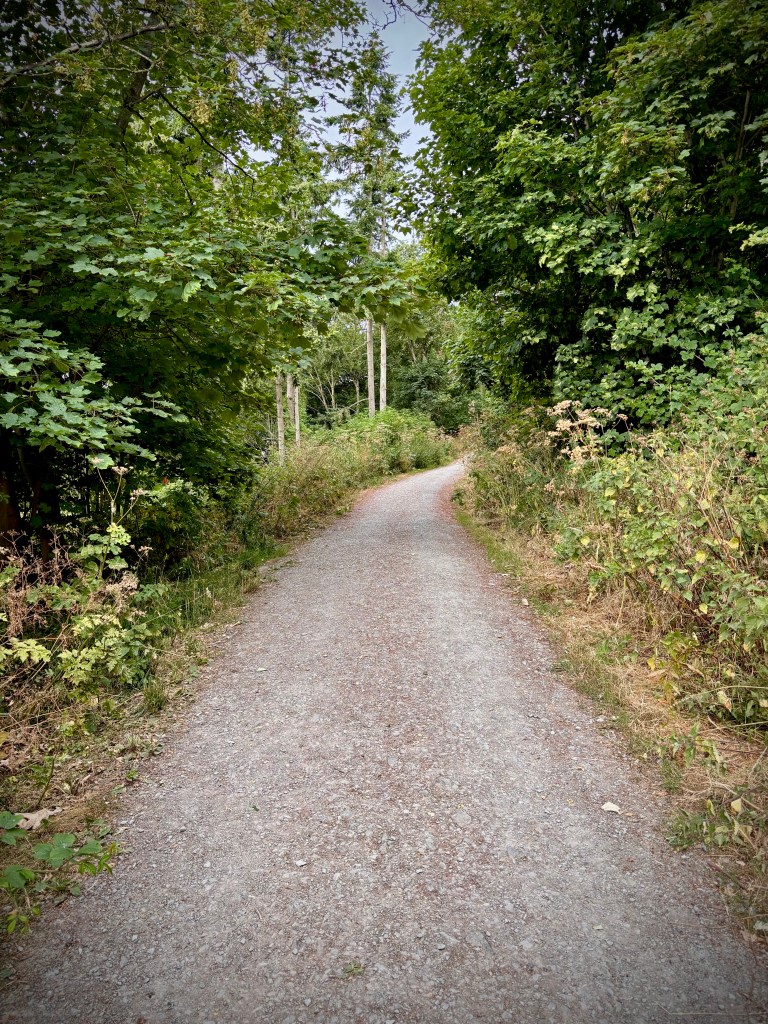
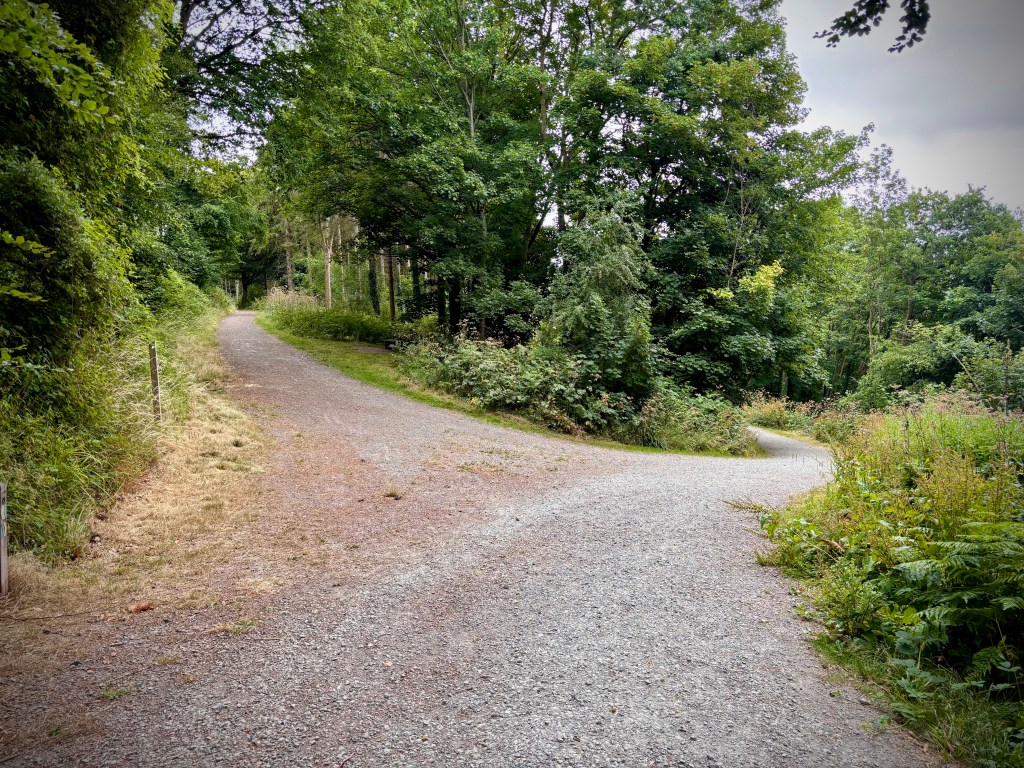
Early Sunday morning, the steep walk is silent but for the sound of my own feet crunching the gravel of the path, my dog rustling the undergrowth as she explores all manner of possibilities, and the chatter of chiffchaff and blackcap, echoing high above in the tree canopy.
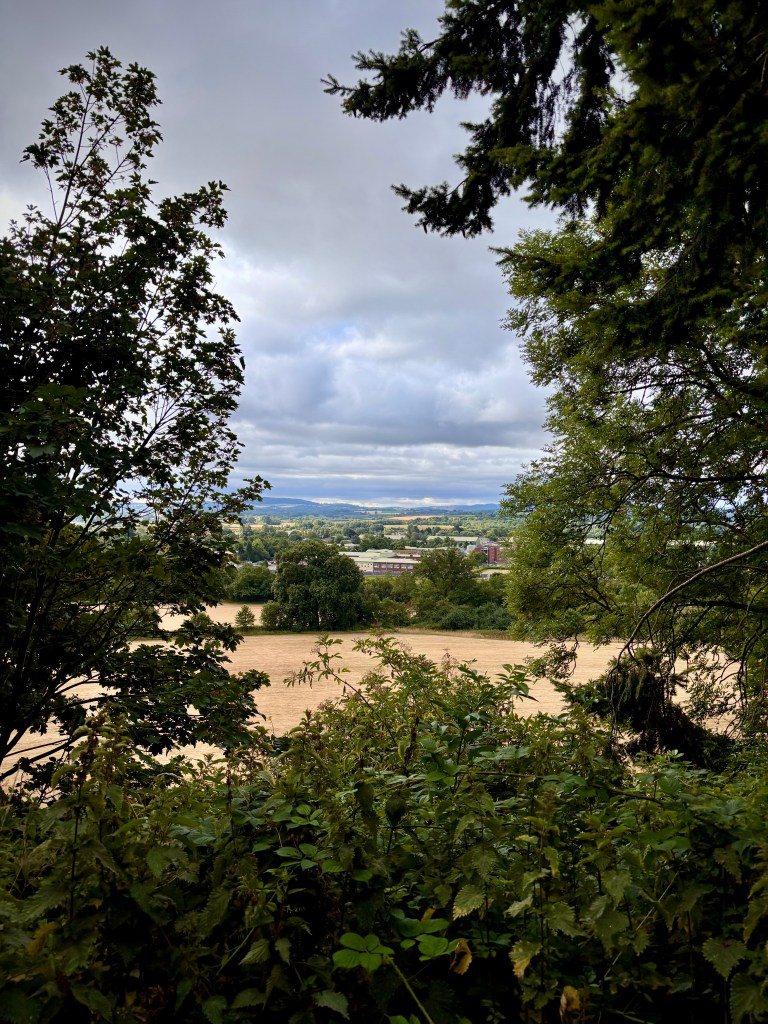
Glancing through various gaps in the trees, I see Stirling Lines – garrison of that famous regiment – the Black Mountains of Wales, Lord Hereford’s Knob and Hay Bluff are visible in the distance; a reminder of how close we are to Wales.
The path offers a choice of direction. I let the pooch decide and follow faithfully in her wake. We continue to rise and turn and rise again, the silence is both comforting and eerie all at once. Eventually, the path opens to the clearing on the top of the hill, bordered by high trees with Herefordshire visible on one side and Wales in the distance on the other. This open space, invisible from below, is the site of the ancient hill fort. I sit for a while, to enjoy the silence and solitude on this cool Sunday morning, and reflect on what this place is.
If you look beyond the open space and the trees and imagine the reason for its being, you can almost hear the ghosts of our ancestors. What was its real purpose? Defensive fort or meeting place, where goods and ideas were traded? The wide-held belief that all hill forts were purely defensive and military has been challenged of late. New archaeological thinking suggests these high forts might have been more commercial than military strongholds.
Though it’s nice to imagine this space as being a great commercial and social centre, its height, difficult access and physical advantage make one understand its appeal as a defensive position.
For thousands of years, people have sought refuge on this high ground and made use of the abundant resources and vantage its position has given it. Regardless of any other possible use, its value as a defensive structure is undeniable.
Following the Celts, the Romans are believed to have had soldiers here in the first century, and after them came the Anglo-Saxons. That age-old desire of the human race to fight and destroy provided an equally aged desire to defend oneself. Now, thousands of years later, whilst mankind is still less than kind, at least this particular piece of the world is now reserved for nature and the more peaceful past-time of exercise and relaxation, usually alongside man’s best and most trusted friend, the pooch.

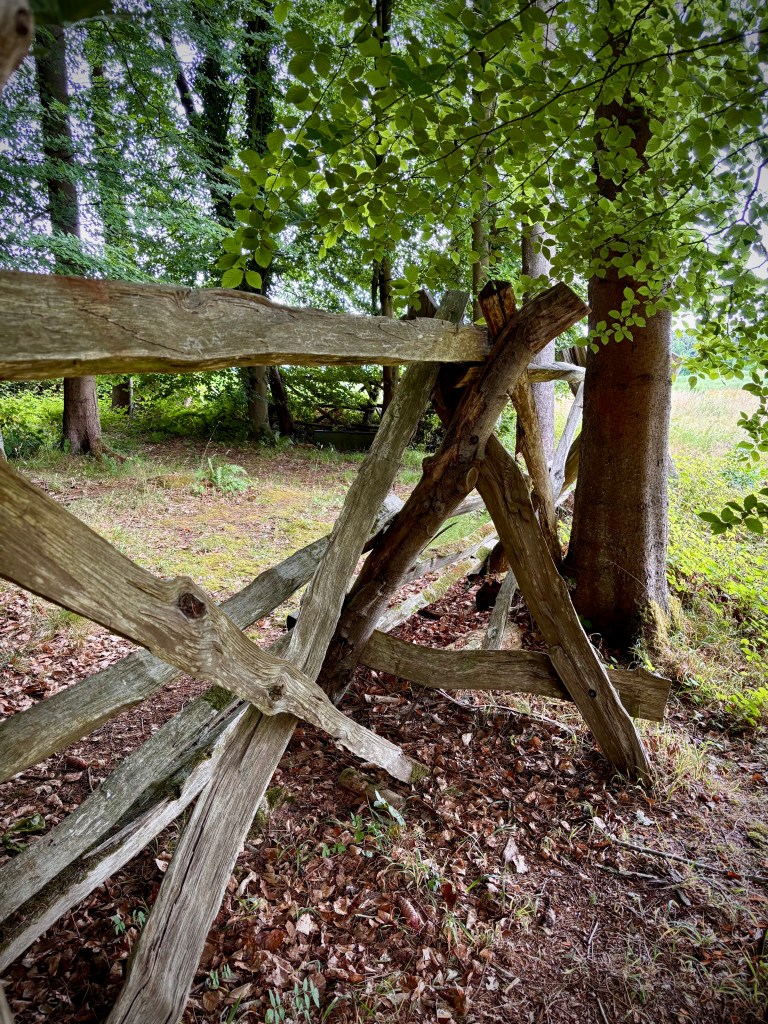

My own family history is largely across the border from central Wales, as far as the coast, and all along this part of the Welsh Marches and its fluid boundary. Maybe my own ancient ancestors trod these same grounds thousands of years ago? Who knows how much of my DNA lies resting beneath my feet as I stride along the length of the site of the old Iron Age hill fort at Credenhill?
The sky looks angry and in the distance I can see rain clouds, like a veil of moisture obscuring the rest of the county from view. This is confirmed later by a fellow dog walker on my descent, who said he had planned a walk further up the county, only to find it under a heavy shower. Time is moving on and people are becoming more numerous. Joggers and walkers, most with dogs, the quiet solitude is broken.
It’s time to leave the ghosts to their silence.
https://www.woodlandtrust.org.uk/visiting-woods/woods/credenhill-park-wood/
 Notes from Foggy Albion: A Journey Through Nature & Plant-Based Living In Britain
Leave a comment