

The quiet return of a living landscape.
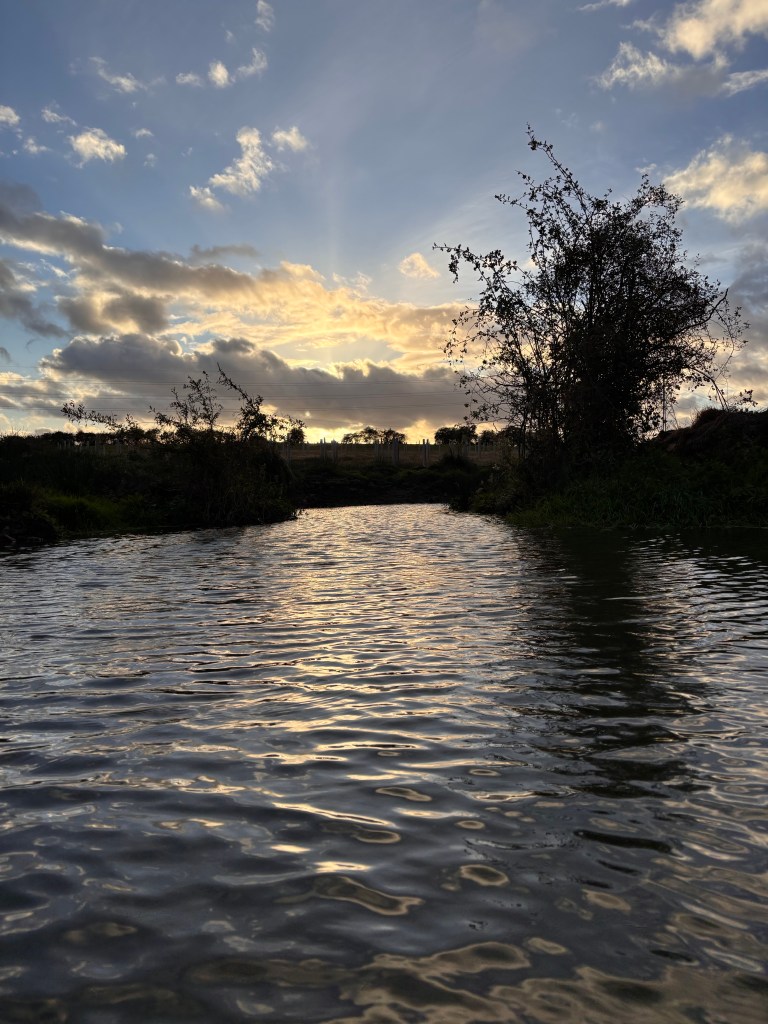
Last month marked a year since I began the process of giving some of my land a rest. 12 acres were taken out of intensive agriculture for some much needed R&R, and to let nature take control — almost. One year on: no herbicides, no pesticides, no fertilisers, no grazing livestock, just 12 acres of tired ground handed back to itself. The change has been gentle, but unmistakable.
A wide variety of trees, all native to the area and the wider “foggy Albion”, have been planted — approximately 3,250. I’ve created two ponds; one simply a marshy groundwater affair that will rise and fall with the seasons, and the other a larger spring-fed body of water with an island and scrapes, that overflows into the brook — the piped spring’s destination, prior to me digging the pond.
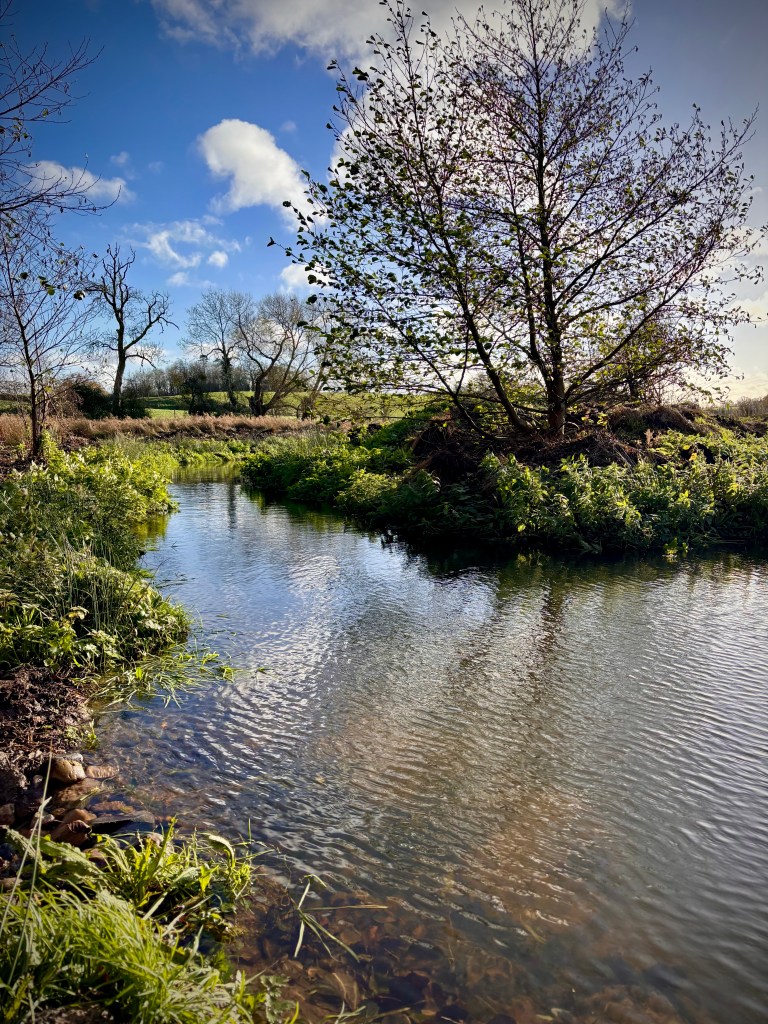
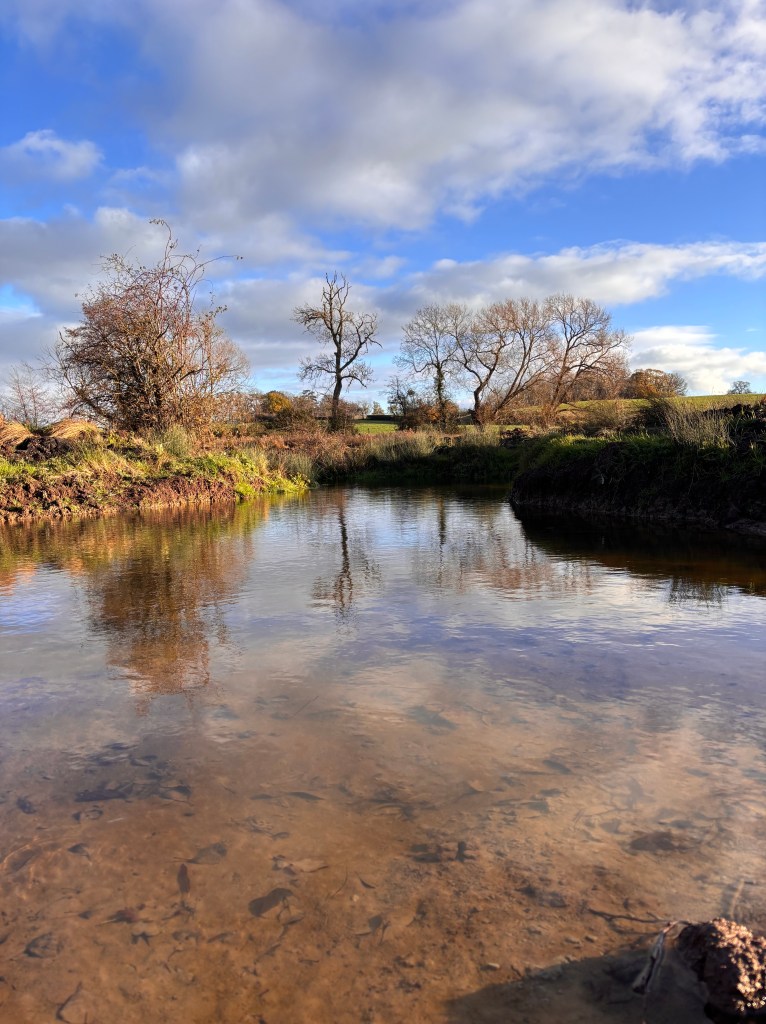
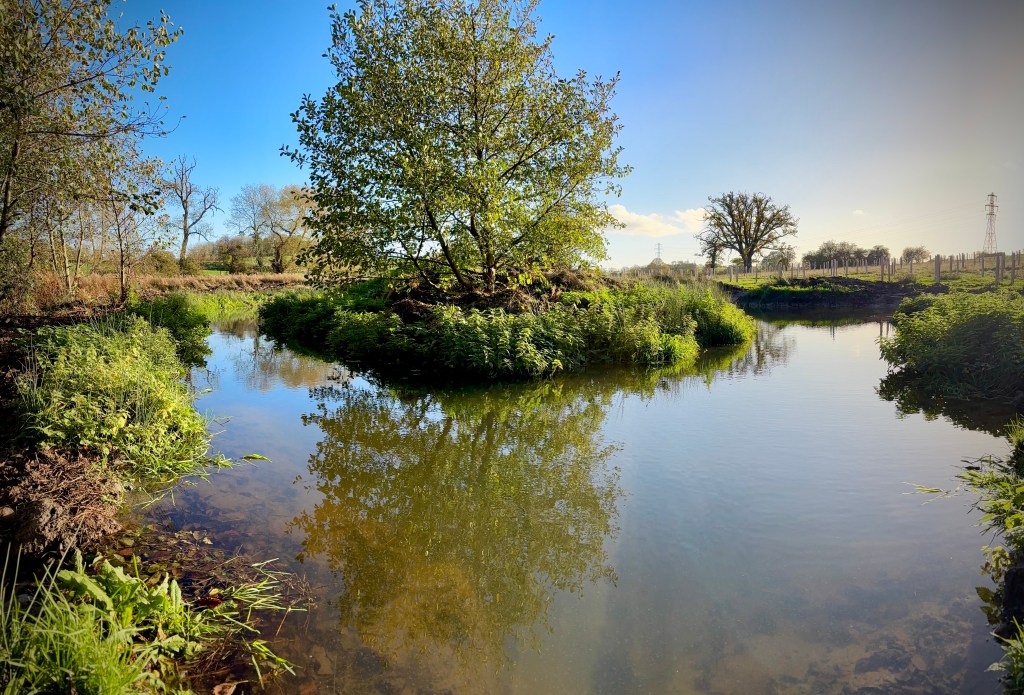
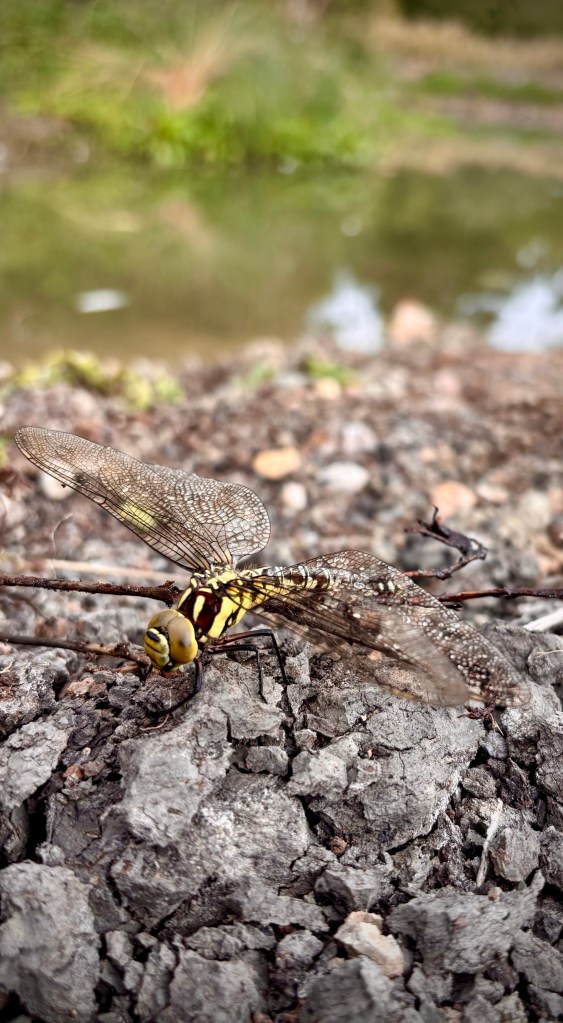
The ponds have been a pleasant success, and a gift that keeps giving. These newly created bodies of water now pulse with life; hoverflies, pond-skaters, beetles, water boatmen and a constant shimmer of wings, rapid movement and surface-dwelling larvae. In the summer, I couldn’t walk near the water without marvelling at an abundance of damselflies and dragonflies hovering over the surface and zooming around the edges, looking very much at home.
The most striking thing I noticed this autumn was the mushrooms. Not just one kind, but many — thin-stemmed bonnets, inkcaps, tiny conecaps, glossy dark-capped species and more, tucked between blades of grass and in small colonies. A variety of shapes and sizes, all fragile, and all signalling the same thing: the fungal network is returning.
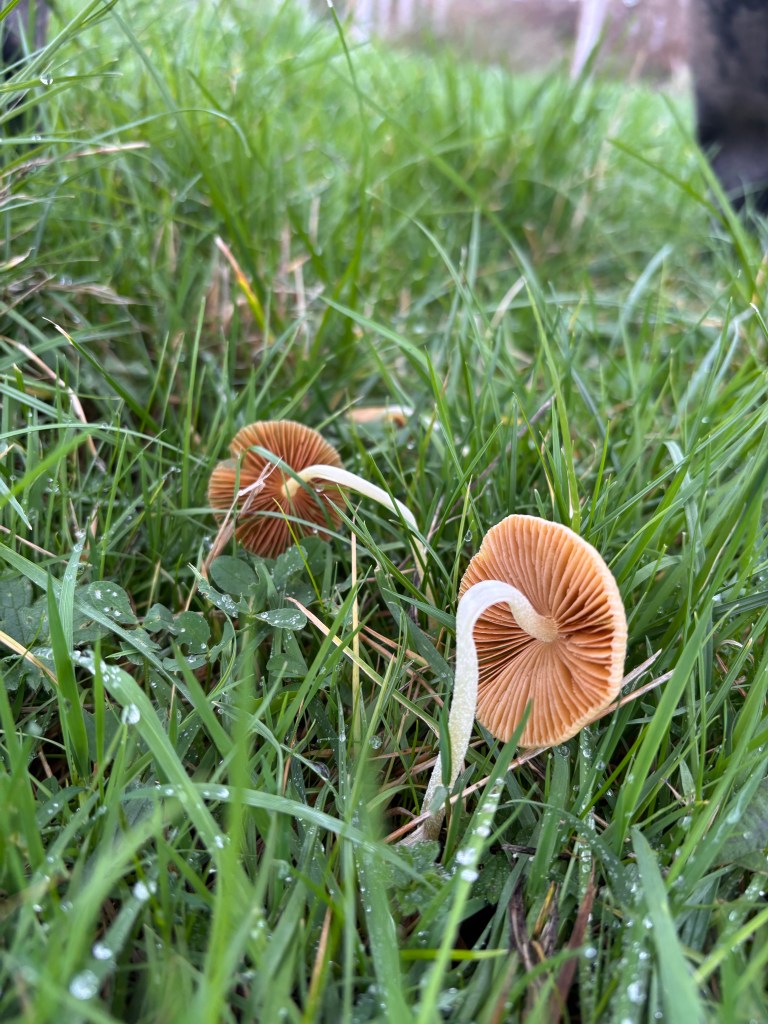
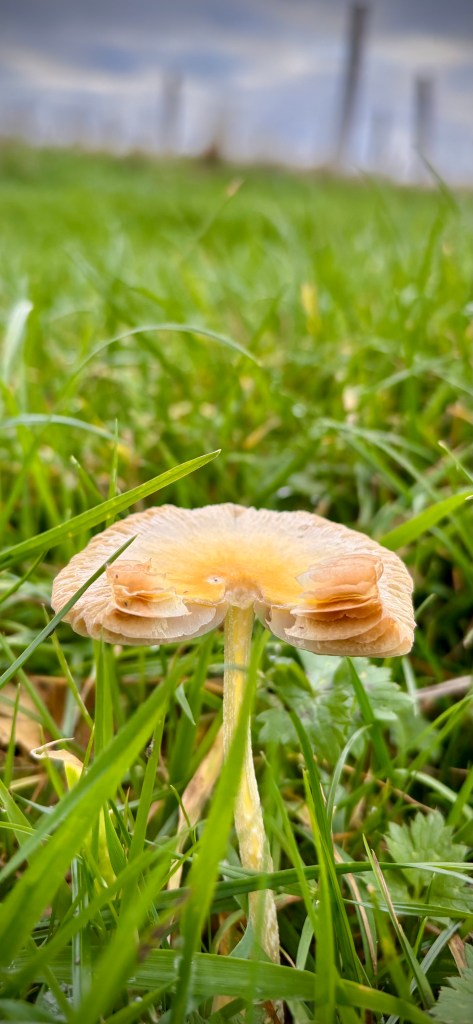
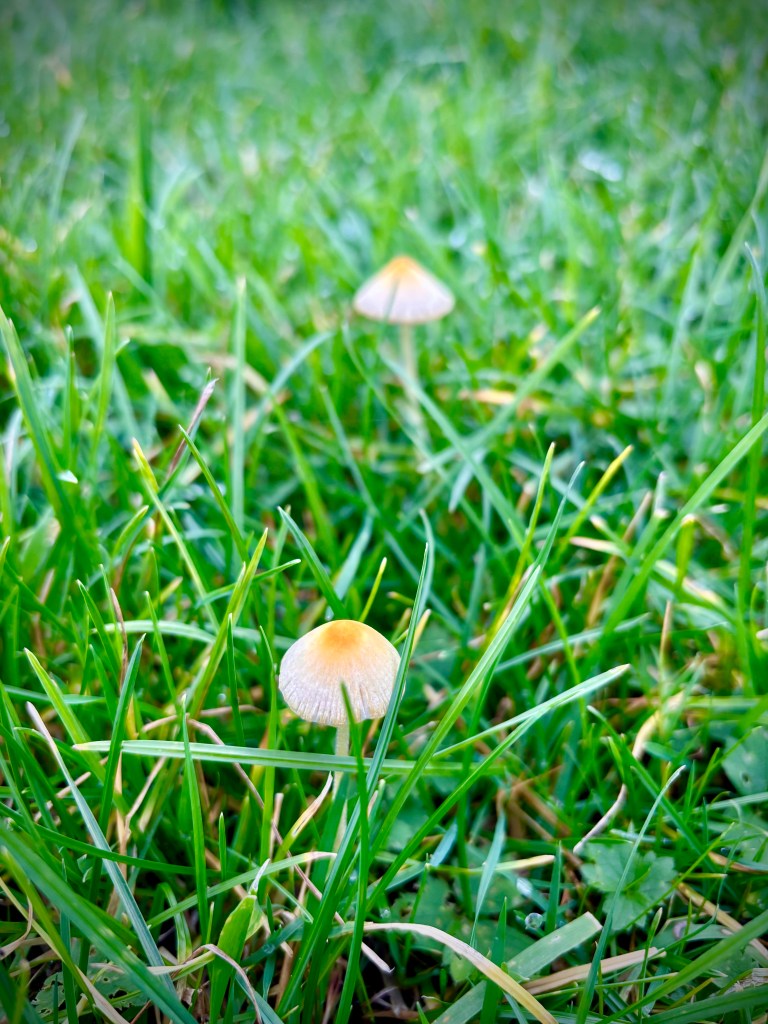
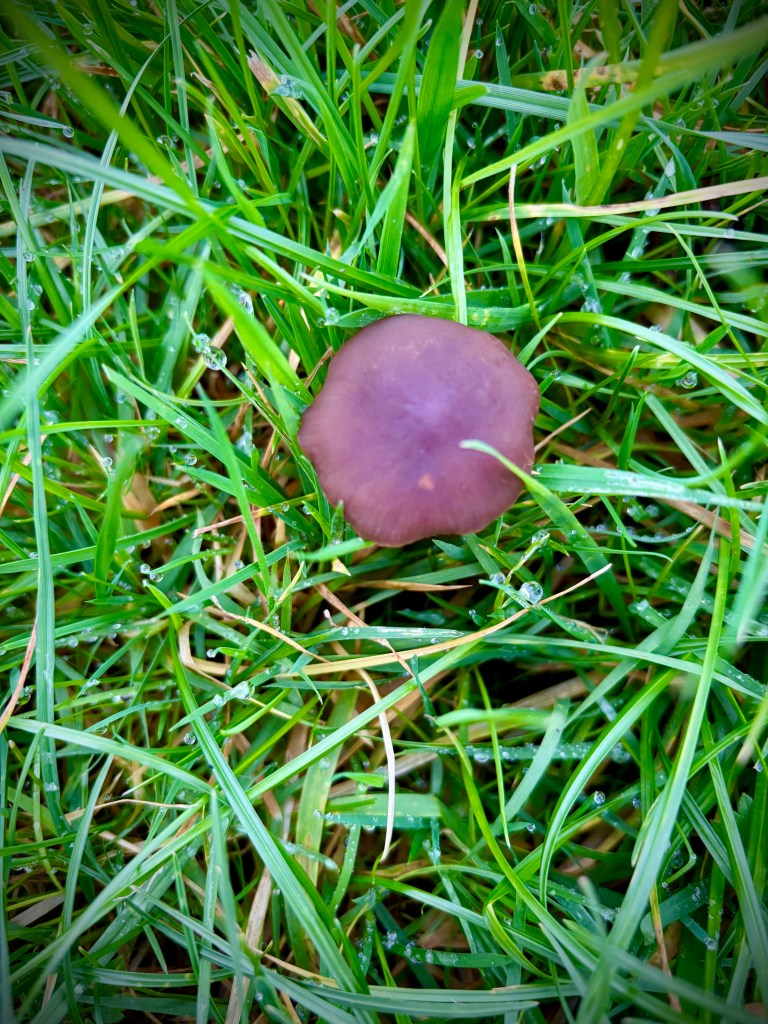
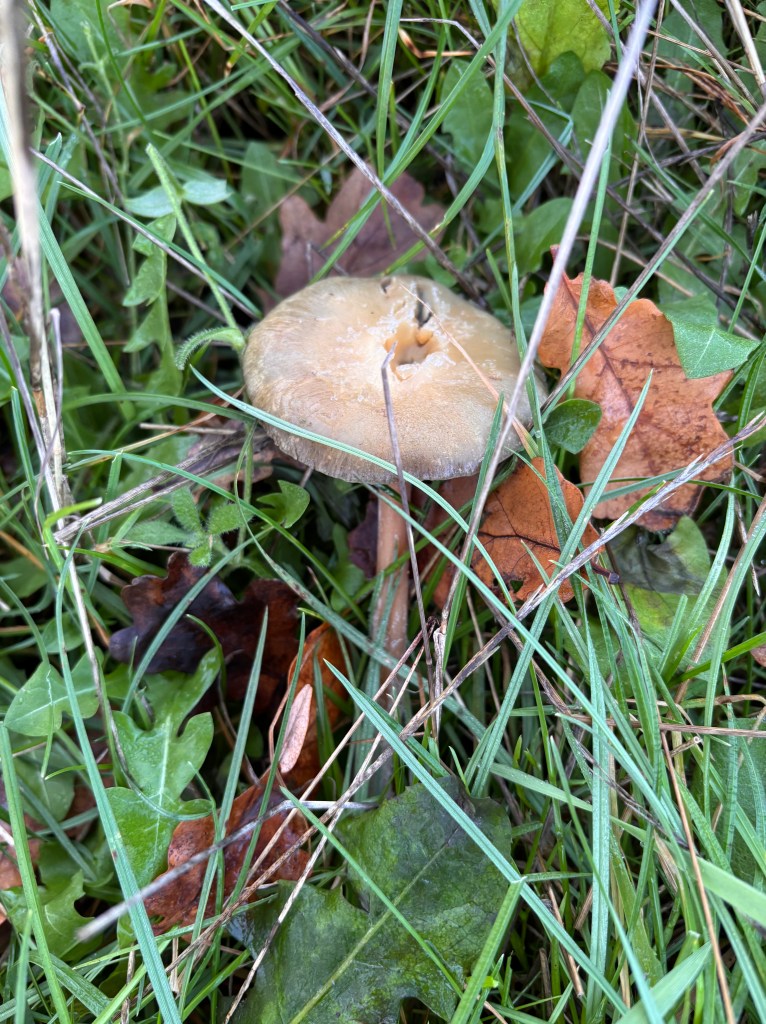
Fungi are apparently one of the earliest responders when chemicals are removed from the equation and soil is allowed to heal. They break down old roots, recycle nutrients, and create the living foundation that future woodland depends on. These little mushrooms are, I hope, the beginning of a much longer story.
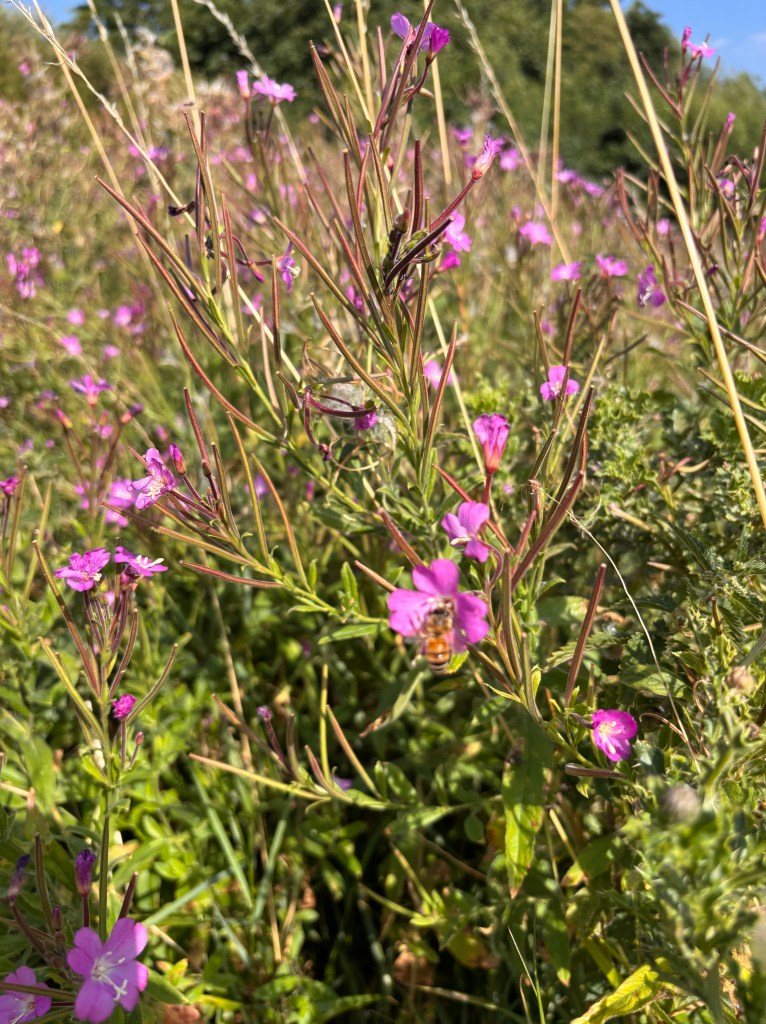
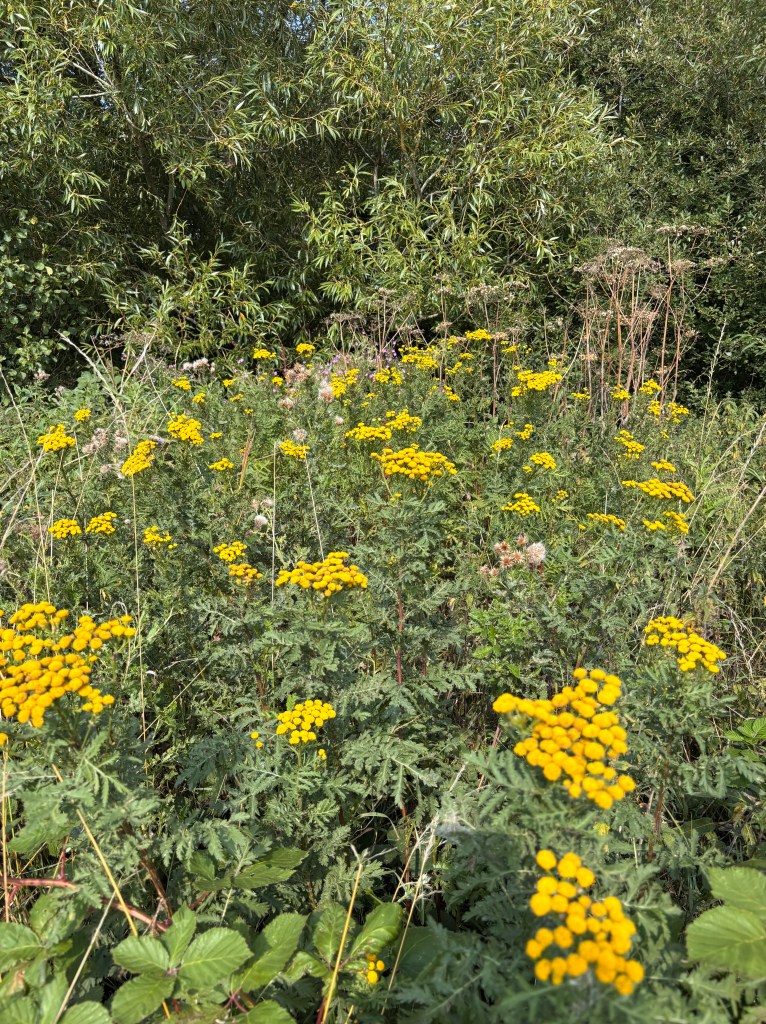
Long grass, no longer shortened by hay and silage harvesting or livestock grazing, was alive with moths and butterflies in the summer and has become cover for rabbits, and a small group of roe deer — whose presence is a bit of a double-edged sword with regard to the new trees. Their grazing is light, natural, and part of the ecological rhythm, rather than the pressure of cattle and sheep grazing. The whole site feels less like land being managed and more like land simply being. Nature cams have picked up badgers and foxes, pheasants from a local shoot — unwittingly finding sanctuary — and an occasional muntjac between roe.
This is only the first year. A woodland takes decades to mature, and a vibrant, fully functioning ecosystem even longer still. However, standing in the wet grass, watching mushrooms push up through soil that once looked exhausted, I can’t help but feel encouraged and optimistic. These are early signs and few — but they are real signs.


This is the first year of stepping back and listening. The first year of trusting that nature knows what’s best.
And I think it does.
 Notes from Foggy Albion: A Journey Through Nature & Plant-Based Living In Britain
Leave a comment